Radon testing
Short-term and long-term testing done properly — closed-house conditions, the right placement, and results you can actually read.
Radon Testing and Mitigation • Quincy, MA
Radon varies house to house, even next door. Test properly in fall, get the number explained plainly, and fix it only if the numbers say so.
Call (857) 754-3949 Request a quoteRadon is invisible and odorless, and it varies house to house — even next door. The only way to know your level is to test. If it comes back high, mitigation is a proven, quiet system that vents radon from beneath the home before it gets inside. We test, explain, and, when needed, install and retest.
If any of that sounds familiar, a call or a form message is the right next step — tell us what you are seeing and we will talk through what to check first.
Call (857) 754-3949A quick call is the fastest way to sort it — tell us what you are seeing and where, and we will talk through what to check first.
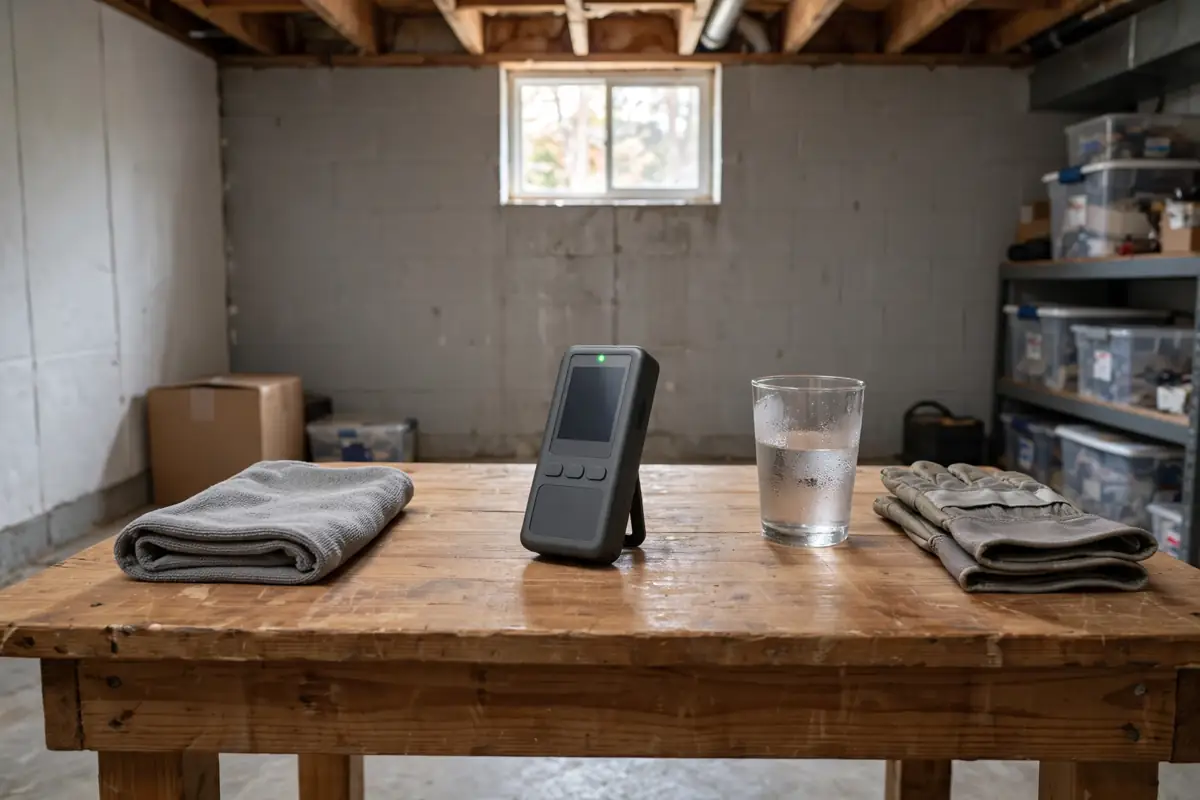
Call (857) 754-3949Request a quoteShort-term and long-term testing done properly — closed-house conditions, the right placement, and results you can actually read.
Sub-slab depressurization: a quiet fan and pipe system that pulls radon from beneath the home and vents it safely above the roofline.
Different foundations need different approaches, from a single suction point to sealing and covering a crawl space.
Testing again after a system goes in, to confirm the level actually dropped — not just assuming it did.
Checking an existing system, replacing a failed fan, and making sure the vent and seals are still doing their job.
Testing on a timeline that works for a sale, with clear documentation of the method and the result.
Photos showing the kinds of places and details involved — not a single job, just what to look for around the house.
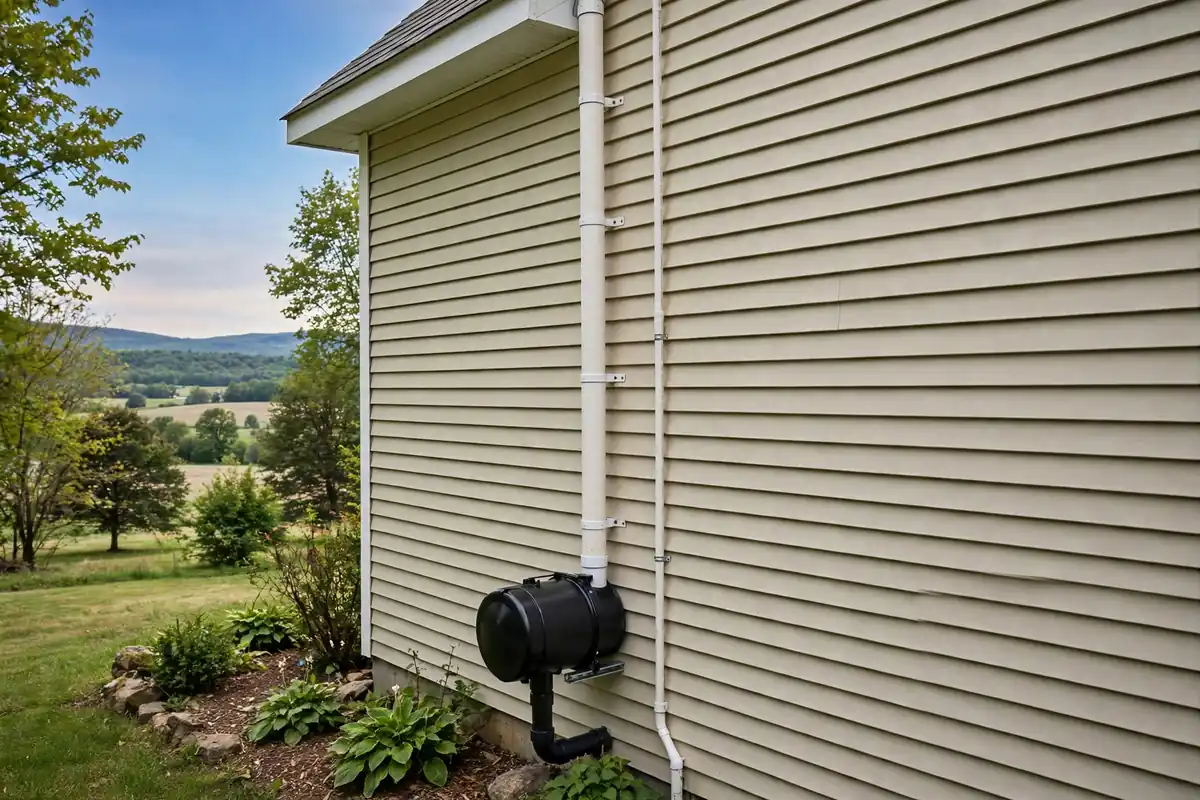
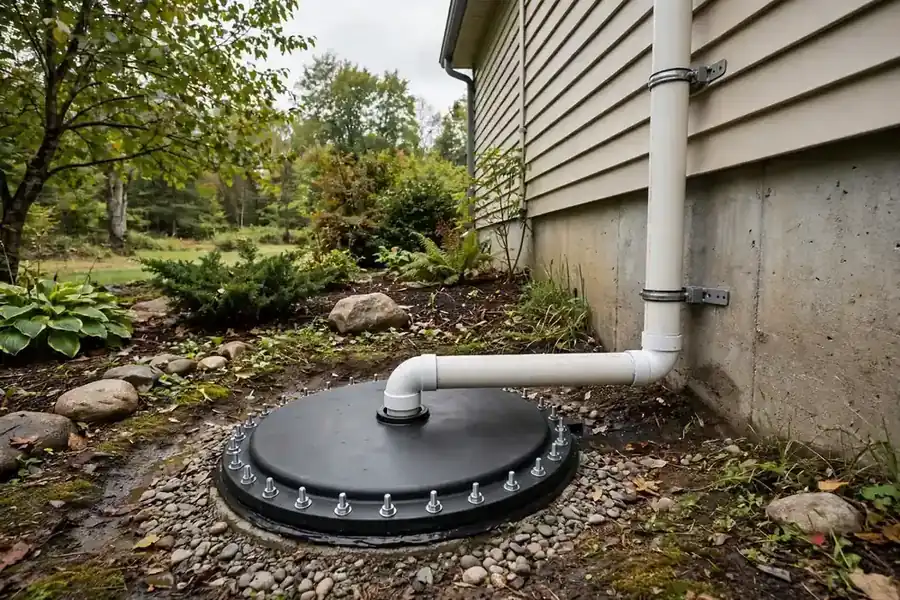
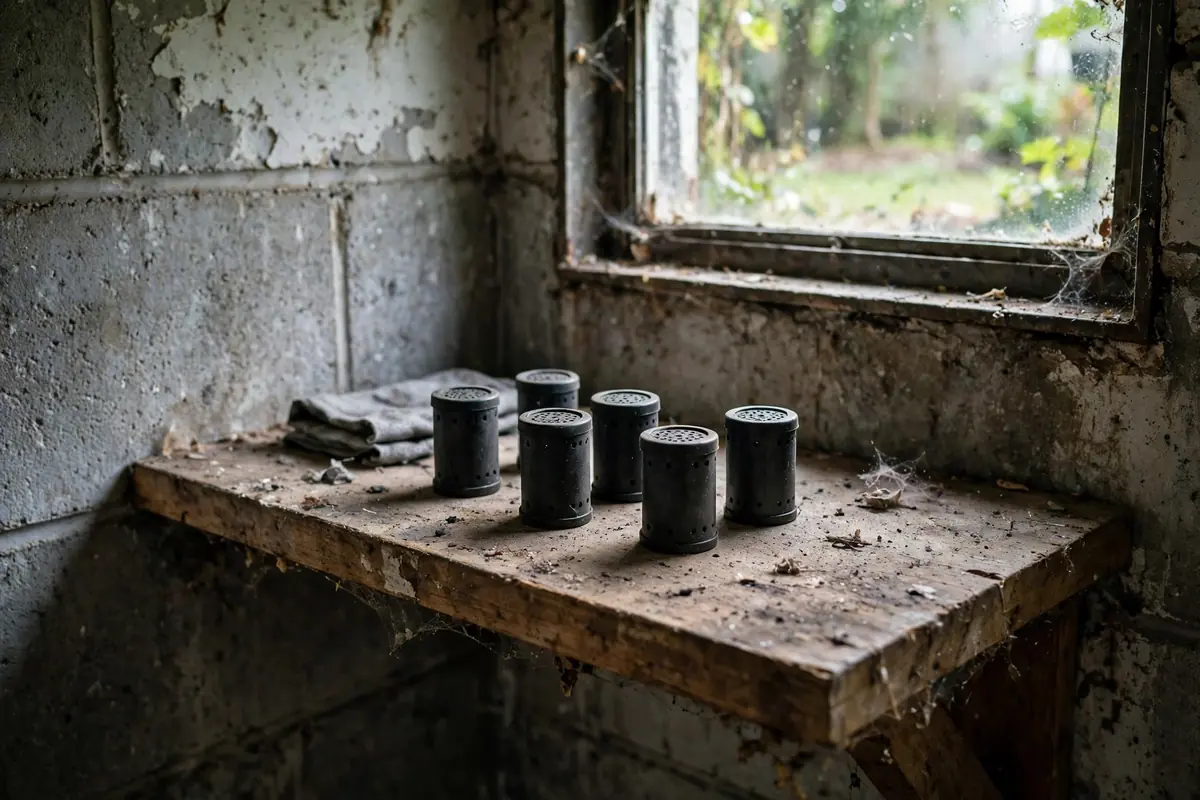
Stuff worth knowing whether you hire us or not — the kind of things that save homeowners money and headaches when they are caught early.
Radon is common enough that testing is just sensible housekeeping, like checking a smoke alarm. Most homes test low, and the ones that do not can usually be fixed with a straightforward system.
Test on the lowest level you use regularly — a basement bedroom counts, a storage-only basement is still worth testing, but the number that matters most is where people spend time.
For a short-term test, keep windows closed and avoid unusual ventilation for the test period, except for normal coming and going. That gives a result you can compare honestly.
Radon levels move with weather, seasons, and how the house is used. A high short-term result deserves a follow-up test. A low result is reassuring, but retesting every few years, or after major changes, is smart.
The EPA uses 4 picocuries per liter (pCi/L) as the action level — at or above that, mitigation is recommended. Below that, the risk is lower, and many homeowners still choose to reduce it further. We will explain your number, not just hand you a lab sheet.
A typical system is a pipe and a small fan, usually outside, that runs continuously and draws radon from under the slab. Most homeowners forget it is there until the retest comes back.
A system should be proven by a test, not just by the fact that a fan is running. If the level has not dropped enough, the system needs adjusting — and you should know that, not assume it worked.
Radon is a naturally occurring gas that comes from soil and rock breaking down. It is invisible and odorless, and it can seep into a home through cracks and gaps in the foundation. It is the reason testing exists — you cannot see, smell, or feel it.
A small device or canister is placed in the home for a set period — a few days for a short-term test, months for a long-term one. It is then read or sent to a lab, and you get a number in picocuries per liter (pCi/L).
The EPA action level is 4 pCi/L — at that level or above, mitigation is recommended. Levels below that still carry some risk, and the decision to mitigate is yours, with the number in front of you.
Most often, a pipe is run through the slab to a fan that pulls air — and radon — from beneath the home and vents it above the roof, where it disperses. Sealing major entry points helps the system work better, but sealing alone rarely solves a high level.
Visually, very little: a pipe, usually on the outside of the house, and a small fan. Inside, you should notice nothing except, hopefully, a much lower test result. The system runs continuously and uses about as much power as a light bulb.
We serve Quincy, MA and nearby South Shore communities. If you are just outside that area, call anyway and ask — we will tell you straight whether we cover your town.
Call before you fill in the form and we will take the details directly.
Call (857) 754-3949Call (857) 754-3949, or use the form and we will call you back. Tell us as much as you can about the job — location in the house, what you are seeing, and anything you have already tried.