Radon Testing & Mitigation guide • Quincy, MA
Why Fall Is Radon Testing Season in Quincy
Radon testing has a season, and it starts about now. Fall and winter give you the highest, most honest readings of the year.
Radon Testing & Mitigation guide • Quincy, MA
Radon testing has a season, and it starts about now. Fall and winter give you the highest, most honest readings of the year.
Test when levels peak and you will never underestimate the problem. Here is why cold weather raises radon.
Testing protocols ask for doors and windows mostly closed for 12 hours before and during the test. In fall, houses are already living that way, so the test reflects real life.
Heated air rising through the house creates suction at the foundation, drawing more radon in from the soil. Summer readings can seriously understate the winter reality.
Frozen soil around the foundation redirects soil gas toward the house instead of letting it vent sideways. Another reason winter-adjacent tests read higher.
A fall test leaves time to install mitigation before the highest-exposure months. Testing in April tells you what January was, which is less useful.
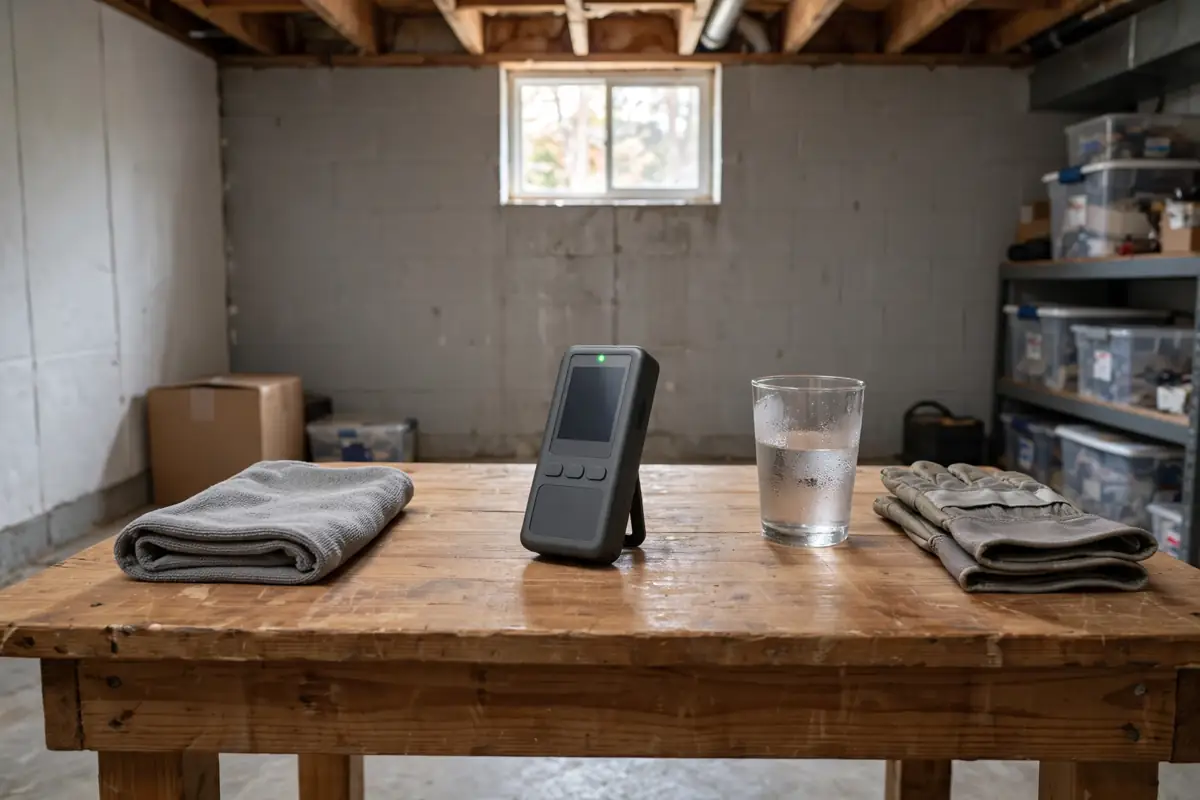
Lowest lived-in level, away from drafts and exterior walls, closed-house conditions, 48 hours minimum for most kits. Follow the kit instructions exactly; placement mistakes are the top cause of bad data.
Order or place a test kit in the lowest level you actually use, and keep the house closed up. Call (857) 754-3949 if you want a professional test with calibrated equipment instead of a mail-in kit.
This site is protected by reCAPTCHA and the Google Privacy Policy and Terms of Service apply.